

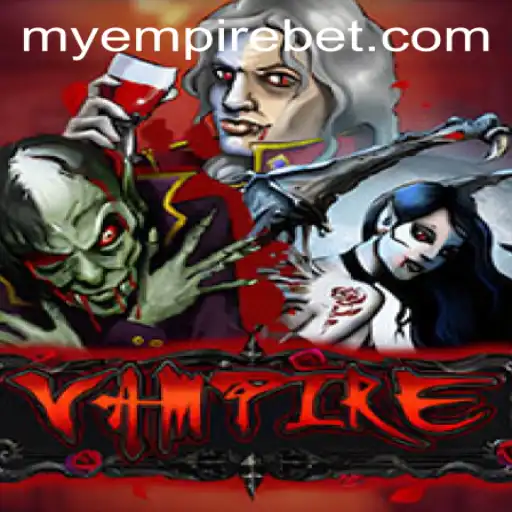
The Enigmatic World of Vampire
In the realm of tabletop games, Vampire emerges as a captivating adventure that blends elements of gothic horror and intricate storytelling. Known for its immersive settings and deeply nuanced characters, Vampire invites players into a world where the supernatural is not merely myth but a tangible reality. The game's unique allure lies in its elegance and the intricate interplay of narrative and mechanics, bringing to life the age-old allure of vampiric tales.
Embracing Elegance: The Unique Appeal of Vampire
The concept of elegance is intricately woven into the fabric of Vampire. Unlike many games that rely heavily on combat and strategy, Vampire prides itself on its rich narrative and character-driven gameplay. Players are encouraged to delve deep into the personas they create, adopting the roles of powerful undead beings navigating through a world teeming with human intrigue and supernatural threats. This focus on storytelling allows for a more personalized and emotive gaming experience that resonates with players.
As of late, the increasing demand for role-playing games that offer more than traditional combat-focused mechanics has only amplified the popularity of Vampire. In a gaming landscape where players seek depth and storytelling, Vampire's emphasis on plot development and character interactions stands out boldly. Its rules are designed to facilitate a seamless narrative flow, making each session a unique exploration into the fusion of fantasy and strategy.
Getting Started: An Introduction to Vampire
Before diving into the intricate rules of Vampire, players must grasp the game's foundational setup. Each participant creates a character, often referred to as a 'Kindred.' These characters are more than mere vessels for gameplay; they represent the player's alter ego in the Vampiric world, each carrying a complex web of history, motivations, and desires. Players must carefully balance their character's vampiric nature with the remnants of their humanity, a duality that lies at the heart of the game's emotional and moral landscape.
The narrative is guided by a Storyteller, who acts as both narrator and referee, ensuring the game adheres to its overarching plot while allowing players the freedom to explore and interact with the world. This setup creates a dynamic environment where each session can reflect the creative contributions of both the players and the Storyteller.
Understanding the Mechanics: Rules of Vampire
The rules of Vampire are intricate, designed to enhance the storytelling aspect without overwhelming the players with complexity. The game operates on a point-based system, where players assign attributes and abilities to their characters. These attributes impact a character’s interactions, from conversational persuasion to supernatural abilities unique to vampires.
Central to the game's mechanics is the concept of Blood Potency, a measure of a vampire's power and age. Players must manage this crucial resource, using it wisely to enhance their abilities while resisting the relentless hunger that comes with their condition. The balancing act between feeding their hunger and maintaining a semblance of humanity adds a layer of depth to the gameplay, challenging players to make decisions with long-term consequences.
Social dynamics play a crucial role. Vampires are not solitary creatures; they exist within intricate networks of alliances, rivalries, and hierarchies. The game emphasizes this through its rules on social interaction, providing players with multiple pathways to navigate the complex political landscapes of their vampiric societies. Whether forging alliances or engaging in power struggles, the choices players make can lead to unexpected twists and richly rewarding outcomes.
The Contemporary Landscape: Vampire in Today's World
In the ever-evolving sphere of role-playing games, Vampire maintains a distinguished presence. Its narrative approach aligns with current trends in gaming, where stories with depth and emotional engagement are celebrated. As players seek experiences that offer more than mere entertainment—those that challenge, inspire, and evoke empathy—Vampire stands as a testament to the enduring power of storytelling.
Additionally, recent advancements in digital platforms have expanded Vampire's reach, allowing players from diverse backgrounds to engage with its narratives. Online communities dedicated to Vampire have flourished, with forums and virtual sessions offering spaces for enthusiasts to share experiences, craft new stories, and collaborate across the globe.
As we navigate a world increasingly drawn to immersive experiences, Vampire's elegance, depth, and narrative richness more than meet the expectations of modern gamers seeking nuanced and emotionally engaging adventures.