
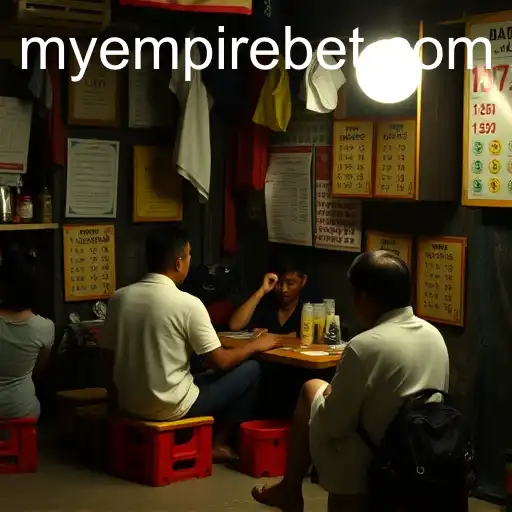
Jueteng: A Closer Look at This Unofficial Lottery
Jueteng is more than just an illegal numbers game in the Philippines; it is a cultural phenomenon that has persisted despite efforts to curb its prevalence. Known for its clandestine operations, Jueteng has deep roots in several communities, becoming somewhat of a traditional pastime.
The Historical Context of Jueteng
Originally introduced during the Spanish colonial era, Jueteng has evolved over the decades into a widespread activity that many say reflects the socio-economic realities faced by Filipinos. Its accessibility and the hope of instant wealth make it appealing to a broad demographic.
How Jueteng Operates
The game is relatively simple. Participants choose a combination of numbers, which are then drawn to determine the winners. The appeal of Jueteng lies in its simplicity and the low cost of entry, though the odds of winning are notably slim.
Regulatory ChallengesDespite its widespread appeal, Jueteng remains illegal. Efforts to stamp it out have been complicated by the involvement of influential personalities who protect and promote these operations. Furthermore, the informal nature of Jueteng allows it to operate under the radar, making regulatory enforcement difficult.
Economic Implications
Jueteng has created a sub-economy where bet collectors, known as cobradores, and community organizers, or jueteng lords, earn substantial incomes. This underground economy thrives on anonymity and cash transactions, complicating efforts to measure its full scope and impact.
The Social Fabric
More than just a source of income, Jueteng plays a role in social interactions. For many participants, it is a form of entertainment and an opportunity to connect with others in the community. It also underscores the economic disparities that drive individuals to gamble in hopes of financial relief.
Political Ties and Corruption
Jueteng's influence extends into the political arena, where allegations of bribery and corruption are rampant. The potential for political figures to exploit Jueteng for financial gain is a subject of ongoing debate. Efforts to legalize and regulate the game have been met with resistance, partly due to the entrenched political interests that benefit from the status quo.
The Role of Law Enforcement
Law enforcement agencies face significant hurdles in tackling Jueteng. Widespread participation often includes local officials, creating a web of complicity that stifles effective action. Additionally, the use of low-tech methods and rapid communication allows operators to evade crackdowns efficiently.
Cultural Significance
Jueteng is deeply ingrained in Filipino culture, representing more than just a gamble; it signifies hope and aspiration. Its continued presence reflects the public's adaptation to economic hardships and their quest for accessible leisure activities.
Community Perspectives
While some view Jueteng as a social ill that exploits vulnerable populations, others see it as an inevitable part of life, a symptom of larger systemic issues like poverty and unemployment. This dual perspective complicates efforts to eliminate the game entirely.
Jueteng's Resilient LegacyDespite numerous campaigns to eradicate it, Jueteng shows no sign of disappearing. It continues to evolve and adapt, finding new ways to survive in a changing landscape, much to the frustration of authorities committed to its prohibition.
Economic Viability and Alternatives
As discussions about legalization emerge, questions about the economic viability of such a move arise. Could a legalized version of Jueteng contribute positively to the economy, or would it merely institutionalize existing problems? These questions remain hotly debated among policymakers and economists alike.
Whether as a subject of desire or derision, Jueteng remains an indelible part of the world it inhabits, influencing lives and livelihoods across the nation.